Journals
-
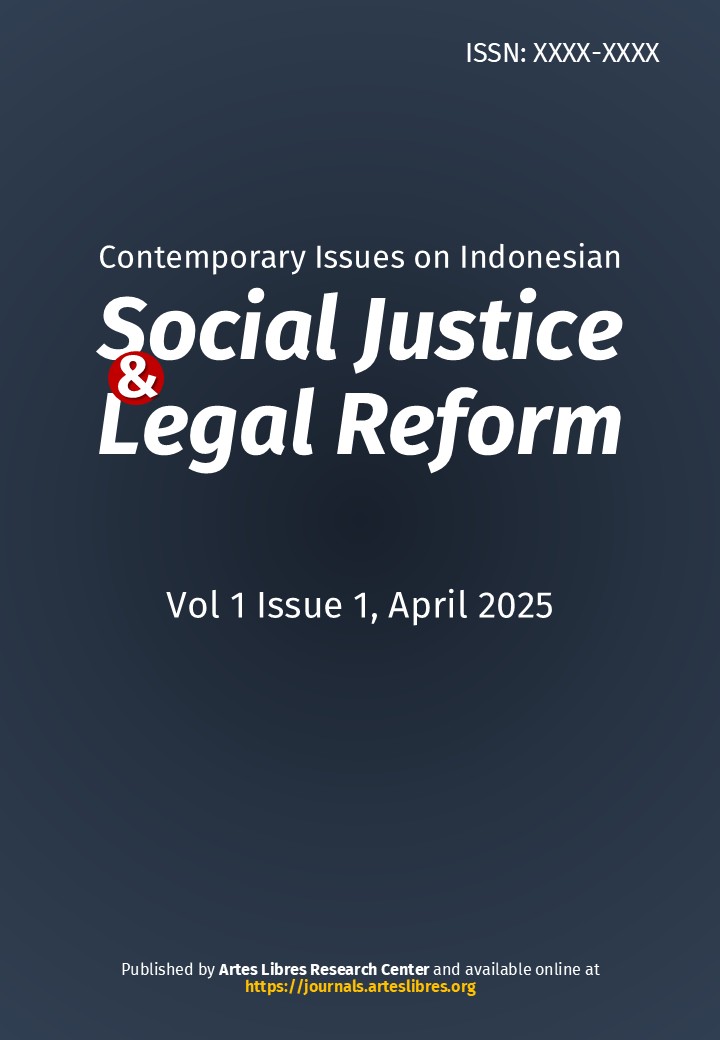
Contemporary Issues on Indonesian Social Justice and Legal Reform
Contemporary Issues on Indonesian Social Justice and Legal Reform (ISSN: XXXX-XXXX) is a peer-reviewed journal that addresses critical social justice and legal reform issues within Indonesia. It serves as a platform for interdisciplinary dialogue among scholars, practitioners, and policymakers, focusing on the evolving legal frameworks and shifting social justice paradigms in the country. The journal explores a wide range of topics, including legal reforms in Indonesia's post-authoritarian era, the intersection of law and human rights in addressing historical injustices, and the integration of indigenous rights into both national and international legal systems. It also examines gender justice, environmental law, economic disparities, and Indonesia's international legal engagements.
Published by the ARTES LIBRES INSTITUTUM, the journal aims to contribute to the global discourse on justice, legal reform, and governance. It provides both theoretical and practical insights, offering a deeper understanding of Indonesia’s socio-legal landscape. The journal welcomes empirical research, case studies, policy analyses, and theoretical articles that engage with contemporary issues shaping Indonesia’s legal and social systems. It is a valuable resource for researchers and institutions focusing on social justice, human rights, and legal innovation in both Indonesia and the broader Southeast Asian region.


-
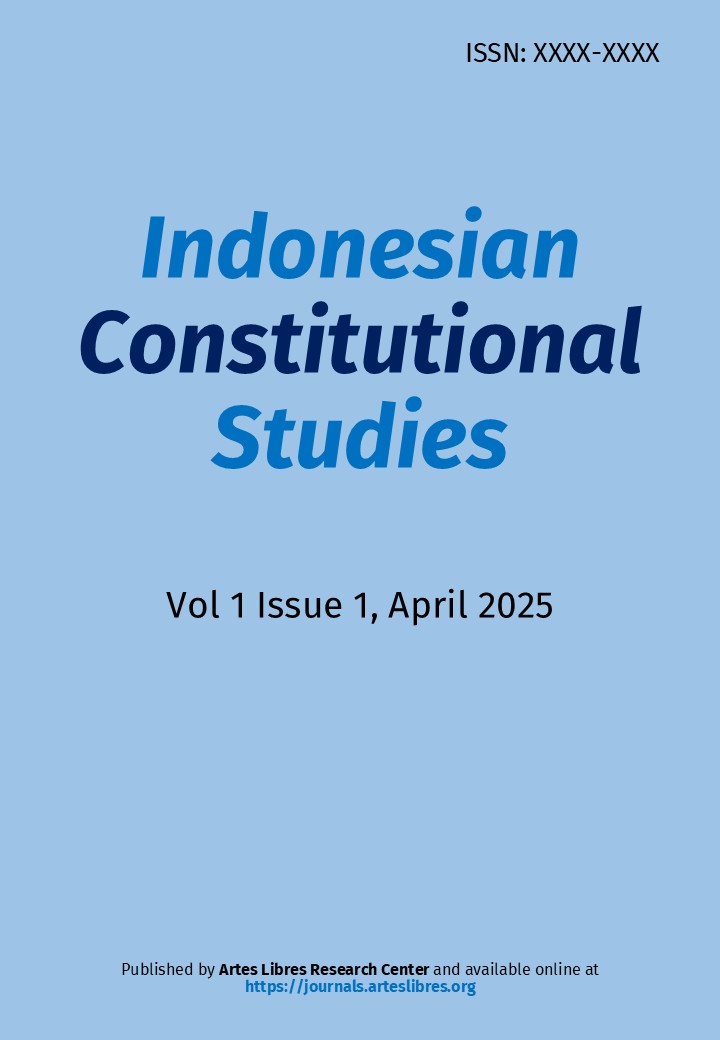
Indonesian Constitutional Studies
Indonesian Constitutional Studies (ISSN: XXXX-XXXX) is a peer-reviewed journal published by ARTES LIBRES INSTITUTUM and dedicated to advancing scholarly exploration of Indonesia’s constitutional framework, its historical evolution, and its contemporary role in shaping the nation's political, legal, and social systems. The journal focuses on the dynamic relationship between Indonesia’s constitution and broader themes such as democracy, governance, human rights, and the rule of law. It aims to facilitate interdisciplinary discourse, inviting contributions from scholars, practitioners, and policymakers who engage critically with the practical and theoretical dimensions of constitutional law in Indonesia.
The journal covers a broad range of topics, from constitutional design and reforms to the role of judicial review and constitutional courts in strengthening democracy and protecting human rights. It also explores the intersection of the constitution with indigenous rights, religious freedoms, and Indonesia’s rich cultural diversity. Comparative studies of Indonesia’s constitutional framework in relation to other national systems are encouraged, alongside analyses of how constitutional provisions impact political participation, elections, and civil liberties. Furthermore, the journal examines the evolving role of the state and non-state actors within constitutional law, as well as the challenges posed by socio-economic disparities and environmental concerns. Indonesian Constitutional Studies aims to be a vital resource for academics, legal scholars, and practitioners, fostering dialogue that supports the ongoing development of a democratic, just, and inclusive society in Indonesia, while also contributing to global discussions on constitutionalism and governance.
-
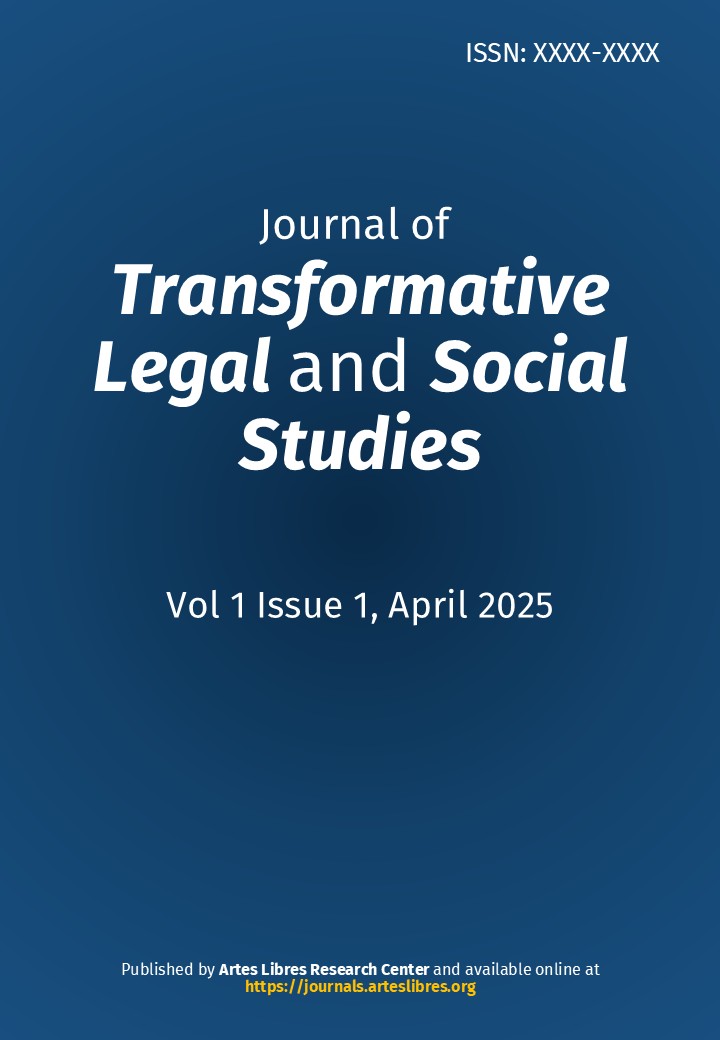
Journal of Transformative Legal and Social Studies
Journal of Transformative Legal and Social Studies (ISSN: XXXX-XXXX) is a peer-reviewed publication published by ARTES LIBRES INSTITUTUM and dedicated to the exploration of legal and social transformations that drive significant change in society. The journal examines how evolving legal frameworks and social movements influence one another, with a particular focus on the ways in which legal reforms can address deep-rooted societal inequalities, promote justice, and foster sustainable development. It serves as a platform for critical, interdisciplinary discourse, engaging scholars, policymakers, practitioners, and activists in discussions that challenge traditional legal paradigms and advocate for transformative change in both local and global contexts.
The journal covers a diverse array of topics related to legal and social transformation, including the intersection of law with social justice movements, the role of legal reforms in advancing human rights, and the impact of law on marginalized communities. It explores the relationship between law and culture, as well as how legal structures can adapt to address contemporary issues such as climate change, economic disparity, gender justice, and digital rights. In addition, it examines the role of legal education and public engagement in fostering critical perspectives on justice and equity. By providing a platform for empirical research, case studies, policy analyses, and theoretical contributions, Journal of Transformative Legal and Social Studies aims to influence the development of innovative legal and social policies that challenge existing power structures and promote more inclusive, just societies.
-
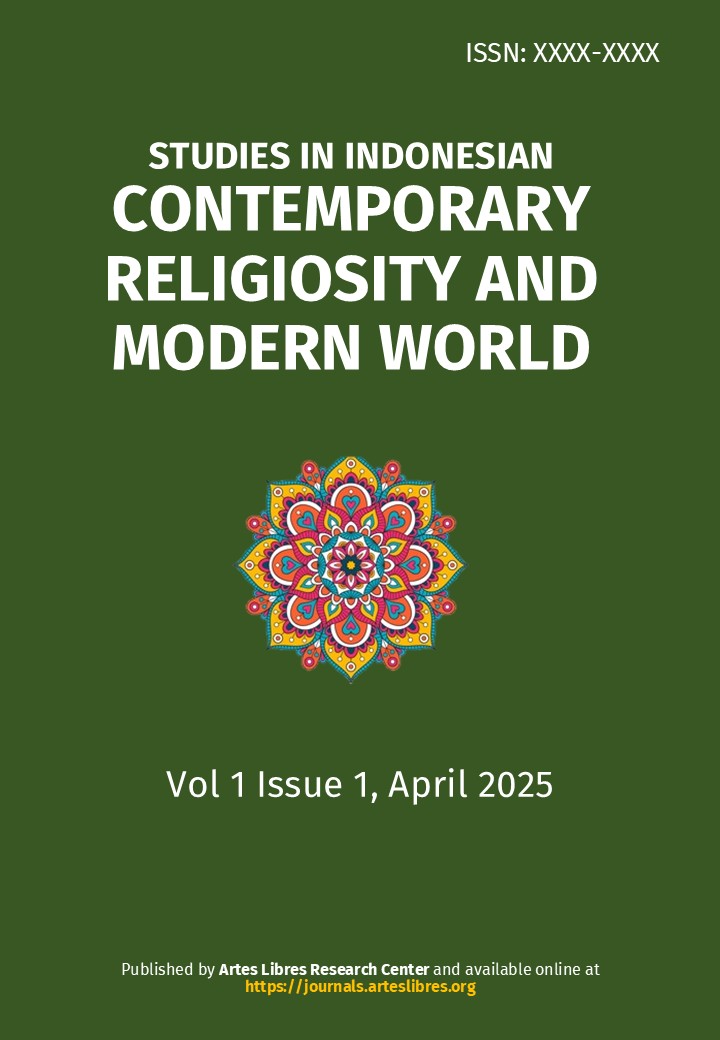
Studies in Indonesian Contemporary Religiosity and Modern World
Studies in Indonesian Contemporary Religiosity and the Modern World (ISSN: 3163-379X) is a peer-reviewed journal published by ARTES LIBRES INSTITUTUM focused on examining the intersection of religion, culture, and modernity within the Indonesian context. The journal explores the dynamic role of religion in shaping Indonesia's socio-political landscape, as well as how contemporary religious movements interact with global trends and modern challenges. It provides an interdisciplinary platform for scholars, practitioners, and policymakers to critically analyze the evolving nature of religiosity in Indonesia and its impact on issues such as governance, social cohesion, identity, and cultural transformation.
The journal covers a wide range of topics, including the impact of globalization on religious practices, the role of religion in public policy and law, interfaith dialogue, and the rise of religious pluralism in contemporary Indonesia. It also delves into how Indonesian religious communities navigate modern issues such as environmental sustainability, digitalization, gender equality, and human rights, all while balancing traditional beliefs and practices with the pressures of modern life. Studies in Indonesian Contemporary Religiosity and the Modern World aims to foster academic discussions that contribute to a deeper understanding of the ways in which religion continues to influence and shape Indonesian society in the face of rapid social, political, and technological changes, offering valuable insights for both national and global audiences interested in the complex relationship between religion and modernity.
-
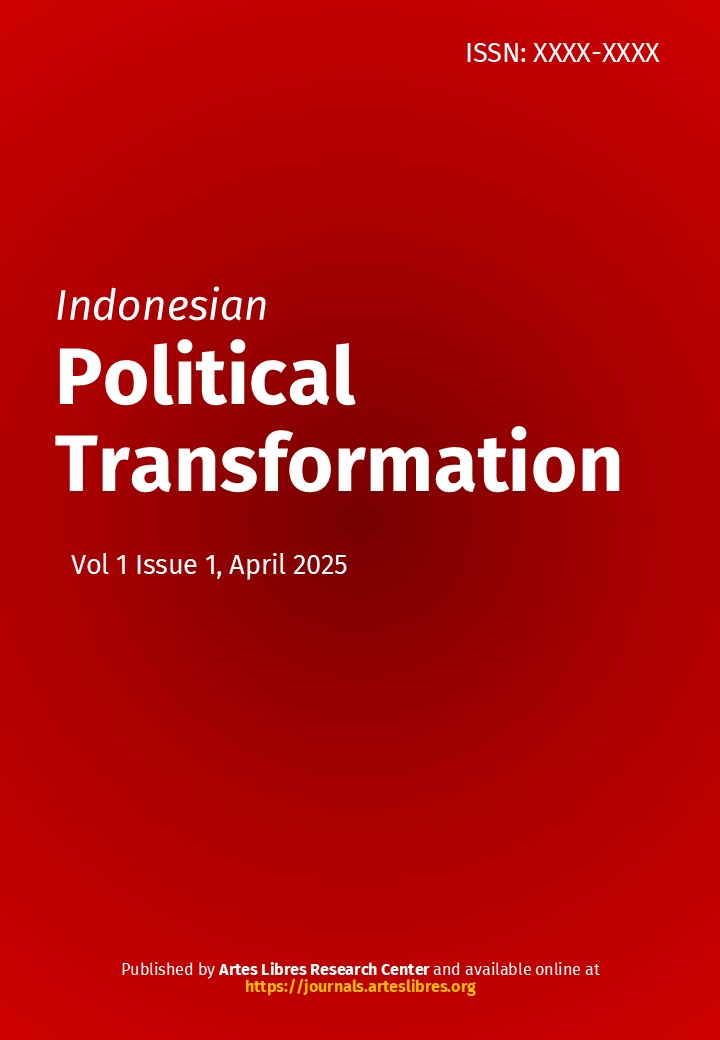
Indonesian Political Transformation
Indonesian Political Transformation (ISSN: 3163-5555) is a peer-reviewed journal published by ARTES LIBRES INSTITUTUM, and dedicated to exploring the ongoing political changes in Indonesia and their broader implications for governance, democracy, and social justice. The journal provides a platform for critical analysis of the political shifts that have shaped Indonesia’s post-authoritarian landscape, examining both the successes and challenges of the country’s democratic consolidation. By focusing on the evolving political structures, institutions, and ideologies, the journal seeks to engage scholars, policymakers, and activists in discussions about the future of Indonesian politics in the context of global political trends.
The journal covers a wide array of topics, including electoral reforms, political party dynamics, the role of civil society, and the impact of political decentralization. It also explores issues such as the relationship between religion and politics, the role of media in political discourse, and the influence of social movements on policy and political change. In addition, the journal investigates Indonesia’s foreign policy, its engagement with regional and international political organizations, and its evolving position in global geopolitics. Indonesian Political Transformation aims to provide both theoretical frameworks and empirical analyses, contributing to a deeper understanding of the country’s political transformation and its potential to serve as a model for democratic development in Southeast Asia and beyond.
-
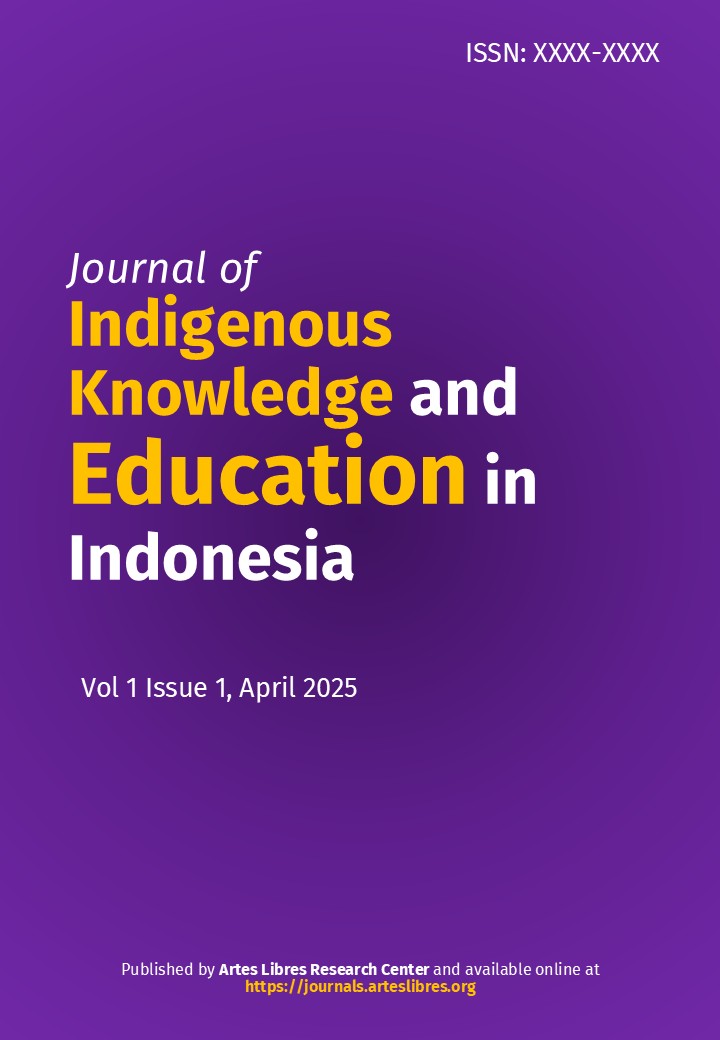
Journal of Indigenous Knowledge and Education in Indonesia
Journal of Indigenous Knowledge and Education in Indonesia (ISSN: XXXX-XXXX) is a peer-reviewed journal published by ARTES LIBRES INSTITUTUM, and dedicated to exploring the intersection of indigenous knowledge systems, education, and cultural preservation within the Indonesian context. The journal highlights the significance of traditional knowledge, local wisdom, and indigenous practices in shaping educational frameworks and addressing contemporary challenges in Indonesia. It provides a platform for interdisciplinary discussions on how indigenous perspectives can contribute to the development of inclusive, sustainable, and culturally relevant educational practices that resonate with the diverse populations across the archipelago.
The journal covers a broad spectrum of topics, including the integration of indigenous knowledge in formal and informal education systems, the role of indigenous languages in learning and cultural identity, and the challenges faced by indigenous communities in preserving their traditions amidst modern pressures. It also explores the role of education in empowering indigenous peoples, promoting social justice, and fostering intercultural dialogue. Additionally, the journal examines policies and initiatives aimed at enhancing indigenous representation in educational curricula and broader societal contexts. By engaging with both theoretical and empirical research, the Journal of Indigenous Knowledge and Education in Indonesia aims to contribute to the global discourse on indigenous rights, educational innovation, and cultural diversity, offering a vital resource for scholars, educators, and policymakers seeking to bridge traditional wisdom with modern educational frameworks.
-
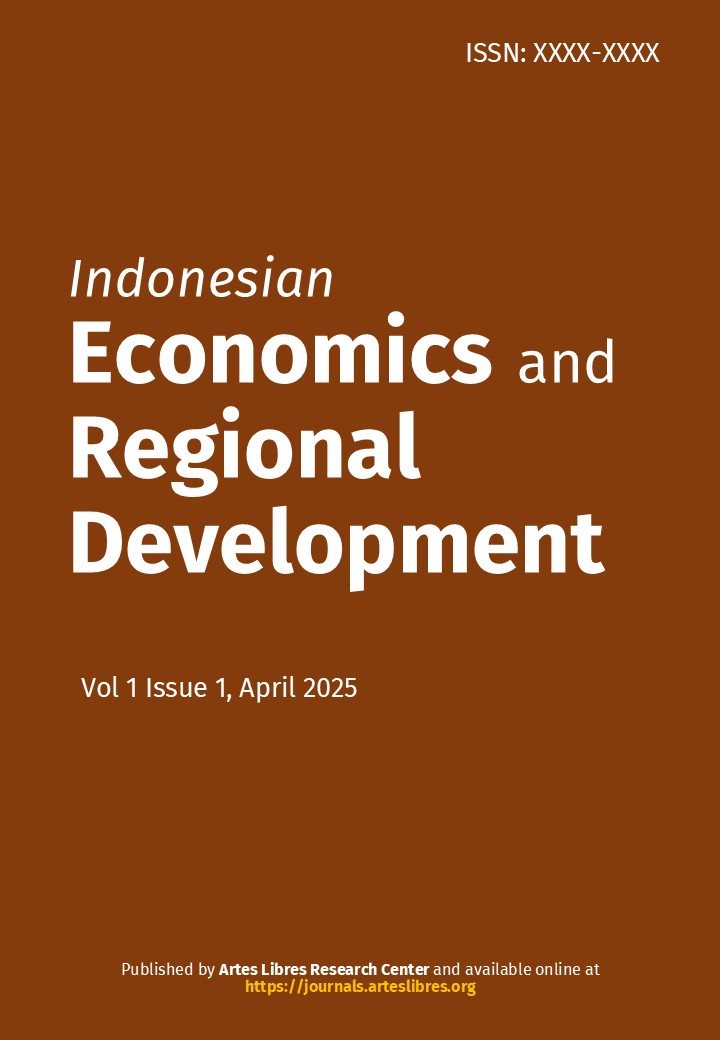
Indonesian Economics and Regional Development
Indonesian Economics and Regional Development (ISSN: XXXX-XXXX) is a peer-reviewed journal published by ARTES LIBRES INSTITUTUM and focused on examining the complex relationship between economic policies, regional development, and socio-economic progress in Indonesia. The journal provides a platform for scholarly discourse on the economic challenges and opportunities facing the country's diverse regions, analyzing the role of local governance, regional disparities, and economic strategies in promoting balanced and sustainable development. By exploring both macroeconomic trends and localized economic conditions, it aims to contribute to the understanding of how economic policies can be tailored to address Indonesia’s unique regional needs and aspirations.
The journal covers a wide range of topics, including economic growth and inequality across different regions of Indonesia, the role of local industries in driving regional development, and the impact of national policies on regional economies. It also explores issues such as infrastructure development, environmental sustainability, poverty alleviation, and the integration of Indonesia’s regions into the global economy. In addition, the journal investigates the challenges of decentralization and regional autonomy, examining how local governments can leverage economic opportunities while ensuring social equity and environmental stewardship. Indonesian Economics and Regional Development seeks to offer both theoretical frameworks and practical insights that inform policymakers, researchers, and development practitioners interested in advancing equitable and sustainable economic development across Indonesia’s diverse regions.
-
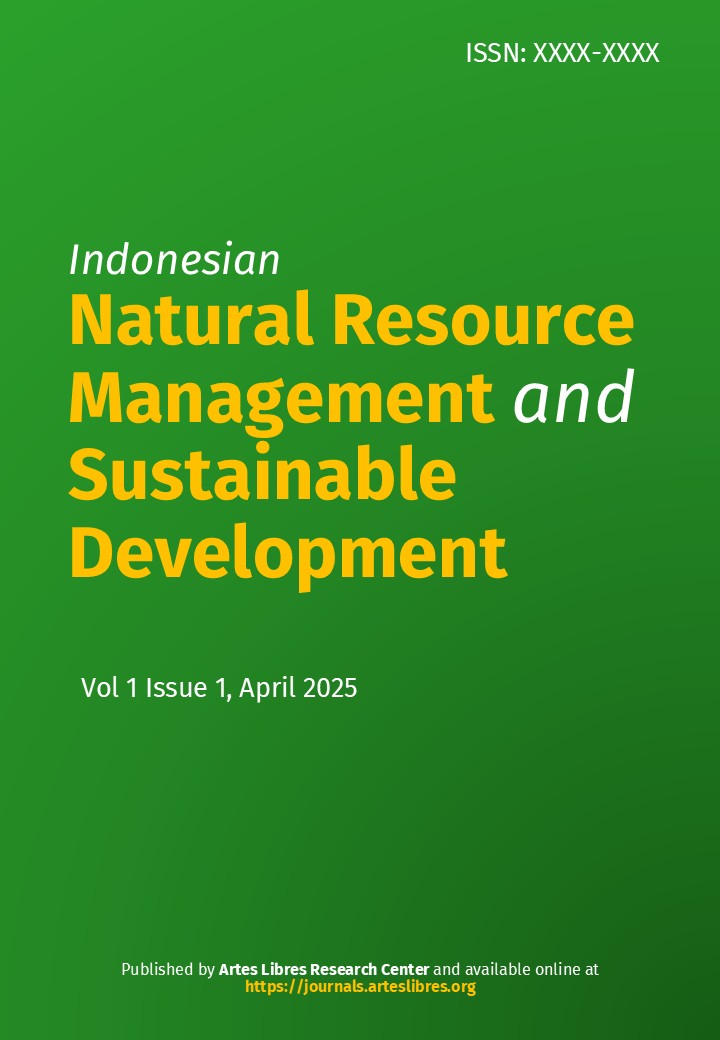
Indonesian Natural Resource Management and Sustainable Development
Indonesian Natural Resource Management and Sustainable Development (ISSN: XXXX-XXXX) is a peer-reviewed journal published by ARTES LIBRES INSTITUTUM and seeks to advance the understanding of sustainable resource management in Indonesia, with a focus on balancing environmental, social, and economic considerations. The journal publishes original research addressing a wide range of topics, including sustainable management of natural resources such as forests, water, fisheries, and minerals, as well as conservation strategies, climate change impacts, and innovative approaches to renewable energy. It aims to showcase interdisciplinary studies that offer solutions to Indonesia's unique environmental challenges, while also contributing to global sustainability goals. This journal provides a platform for high-quality, applied research that promotes best practices in resource management, policy development, and community engagement. It welcomes contributions that explore the role of sustainable development in sectors such as agriculture, forestry, and environmental economics, as well as the social dimensions of sustainability. By fostering collaboration between researchers, policymakers, and local communities, Indonesian Natural Resource Management and Sustainable Development plays a key role in advancing knowledge and practices that ensure the long-term health of Indonesia’s ecosystems and its development trajectory.